Route
Consider width, a stable threshold, visible doorway, companion space and a seated rest point.
 Khmer CourtyardCarry stories. Shape a welcome.
Adjust the room, not a profile
Temporary route, seating, communication, sensory and timing ideas stay separate from identity, health records and youth profiles.
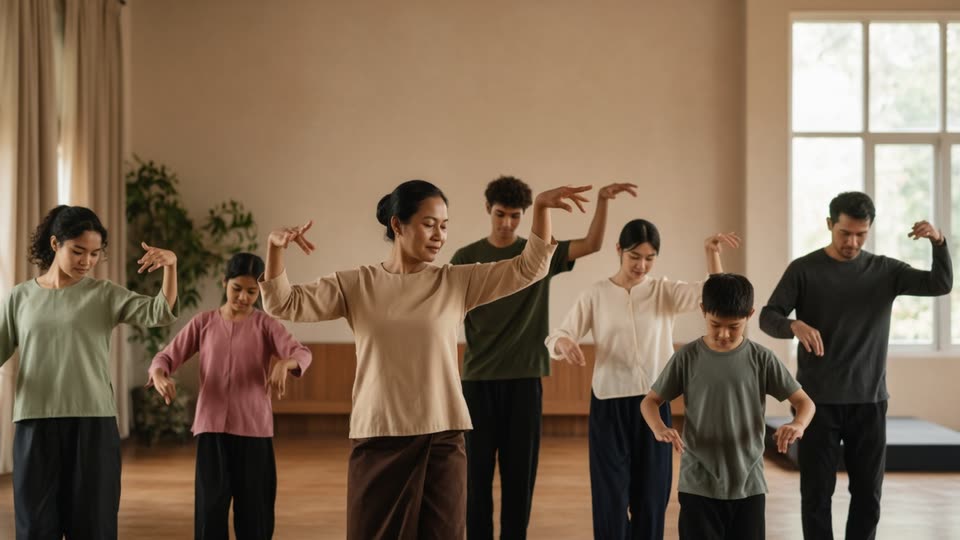
Combine temporary options across route, seating, communication, sensory load and timing without creating an accommodation profile.
Consider width, a stable threshold, visible doorway, companion space and a seated rest point.
Use plain spoken cues, visible shape cues, repetition and one host who can answer questions.
Offer extra arrival time, one step at a time and a planned pause.
Where safe and possible, identify a lower-volume edge with less competing clutter.
A calm edge is a planning idea, not a claim that the venue has a quiet room or guaranteed accommodation.
Keep the route visible and maintain responsible adult oversight.
Do not isolate a child or vulnerable person with an unrelated adult.
The prompt is not therapy, diagnosis or a guaranteed adjustment.
The app keeps youth participation private and connected to responsible adults.
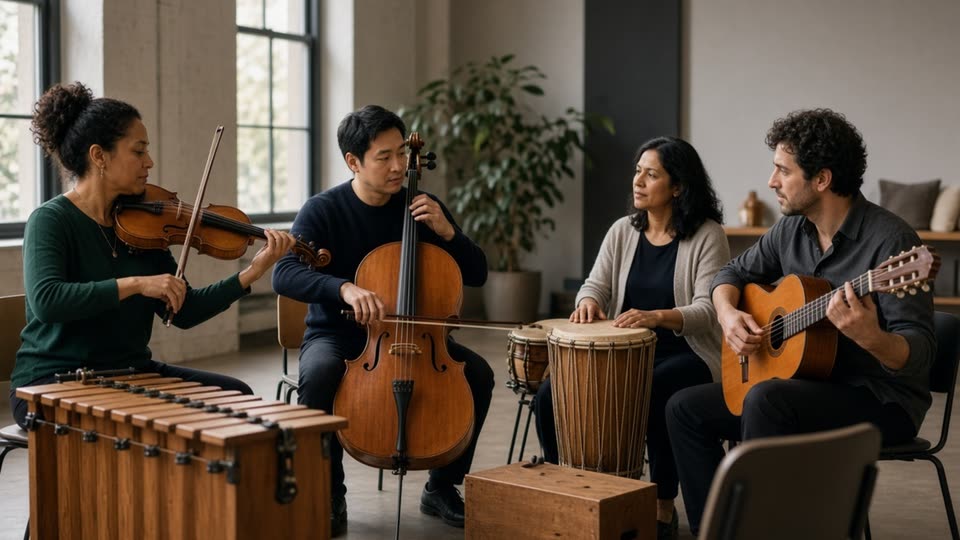
No profile, chat, precise location, attendance list or direct adult-to-child message.
Do not enter names, health needs, photos, consent or incidents; there is no field for them.
Parents, guardians and authorised organisations retain supervision, consent and escalation responsibilities.